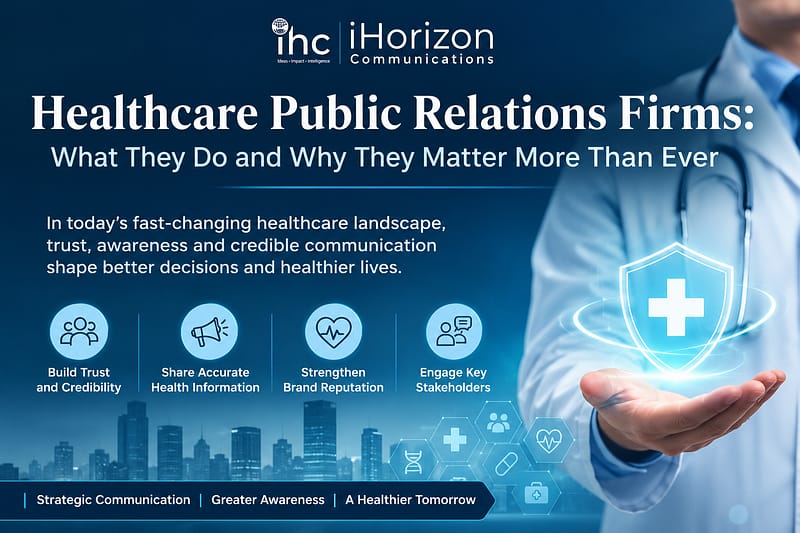
Healthcare is one of the most scrutinized industries in the world, and for good reason. A single miscommunicated statement about a drug trial, a hospital policy, or a medical device can affect patient trust, regulatory standing, and even public health outcomes. That’s exactly why communication in this space can’t be treated the same way as PR for a consumer app or a fashion label. It requires precision, compliance awareness, and a deep understanding of both science and storytelling.
This is where specialized agencies come in, helping hospitals, pharma companies, medtech startups, wellness brands, and healthcare NGOs communicate clearly with patients, regulators, investors, and the media, without ever compromising accuracy.
Why Healthcare Communication Is a Different Ballgame
Unlike most industries, healthcare operates under strict regulatory frameworks, and information shared publicly can have real consequences for people’s health decisions. A general PR team without healthcare experience might not fully grasp what can and cannot be claimed about a treatment, a clinical result, or a product’s efficacy. Getting this wrong isn’t just a PR mistake, it can trigger legal issues or damage public trust in ways that take years to repair.
That’s why brands in this sector increasingly look for teams with specific experience in the field, rather than generalist agencies dabbling in healthcare as one vertical among many.
What Good Healthcare PR Actually Looks Like
1. Regulatory fluency. Messaging around drugs, devices, diagnostics, or treatments needs to align with guidelines set by bodies overseeing the industry. Teams that understand these boundaries can craft stories that are compelling without crossing lines that create liability.
2. Scientific accuracy paired with simplicity. Medical research and clinical data are often dense and technical. Strong communicators translate that complexity into language that journalists, patients, and the general public can actually understand, without oversimplifying to the point of inaccuracy.
3. Crisis readiness. Product recalls, adverse events, data breaches, or public health scares can happen with little warning. Agencies experienced in this space build response protocols in advance, so a brand isn’t scrambling to figure out messaging while a story is already breaking.
4. Stakeholder-specific messaging. A hospital communicating with patients needs a different tone and channel than one addressing investors or regulatory bodies. Effective firms tailor the message to the audience while keeping the core facts consistent everywhere.
5. Long-term trust building, not just headlines. In healthcare, reputation is built slowly and lost quickly. The goal isn’t a single viral story, it’s consistent, credible visibility that builds confidence over time.
The Growing Demand for Specialized Support
The rise of digital health platforms, telemedicine, wellness startups, and health-tech innovation has created a surge in brands that need communication support but don’t have the internal expertise to navigate this carefully. As more companies enter this space, healthcare public relations firms have become essential partners rather than optional extras, helping these brands build credibility with both medical professionals and everyday consumers.
At the same time, established hospitals, diagnostic chains, and pharmaceutical companies continue to rely on experienced communication partners to manage everything from new product launches to ongoing reputation management, especially in a media environment where health misinformation spreads quickly and can be difficult to correct.
What to Look for When Choosing a Partner
If you’re evaluating options in this space, a few questions can help you separate experienced teams from generalists:
- Have they worked with brands facing similar regulatory or clinical complexity?
- Do they have a documented process for handling potential crisis situations?
- Can they show examples of translating technical or clinical information into public-friendly content?
- Do they understand the difference between marketing claims and PR messaging in a regulated industry?
- How do they measure success beyond media mentions, such as stakeholder trust or sentiment shifts?
Teams that can answer these with specifics, rather than vague reassurances, are typically better equipped to handle the sensitivity this sector demands.
Final Thoughts
Healthcare communication isn’t just about getting coverage, it’s about protecting public trust while helping brands share genuinely important information responsibly. Choosing a team that understands both the science and the storytelling makes all the difference between a message that builds credibility and one that creates confusion or risk. Take the time to find partners who treat this responsibility with the seriousness it deserves.
Frequently Asked Questions
1. Why can’t a general PR agency handle healthcare communication?
Healthcare involves regulatory restrictions, clinical accuracy requirements, and sensitive stakeholder groups that generalist agencies may not be fully equipped to navigate.
2. What industries fall under healthcare PR?
This includes hospitals, pharmaceutical companies, medical devices, diagnostics, digital health platforms, wellness brands, and healthcare-focused NGOs.
3. How important is crisis communication in this sector?
Extremely important. Product recalls, adverse events, or public health concerns can escalate quickly, so having a response plan ready in advance is essential.
4. Do healthcare startups need PR as much as established hospitals?
Yes. Startups often need PR support even more, since building trust and credibility from scratch is critical to patient and investor confidence.
5. How is success measured in healthcare communication?
Beyond media coverage, success is often measured through stakeholder trust, sentiment analysis, and how effectively complex information is understood by the public.